SECTION 02 / WHAT RESEARCHERS FOUND
How does NAD+ work, and what changed?
Early work began in cells and mice. The small human studies came next.
What must you know before the details?
Researchers first asked why NAD+ drops with age. Then they made NMN and NR pills to raise it. NAD+ helps cells get power from food. Some proteins also use it while fixing DNA. Your body must replace what those proteins spend. Human trials checked blood and a few daily tasks. They didn’t prove a longer life. Keep that firm limit beside every result.
What work does NAD+ do in a cell?
A cell breaks food down and moves its stored power. NAD+ helps carry that power through one step [5]. NADH is the name after that step. The cell then turns the power into a form it can use. You don’t need the chemistry to read the study results.
NAD+ also helps proteins repair harmed DNA [5]. Those proteins use up some NAD+ during the repair. Other proteins help control how cells age and respond to strain. They use NAD+ too. Reviews have named each lab protein. More NAD+ in blood hasn’t been shown to prevent disease.
How does your body make NAD+?
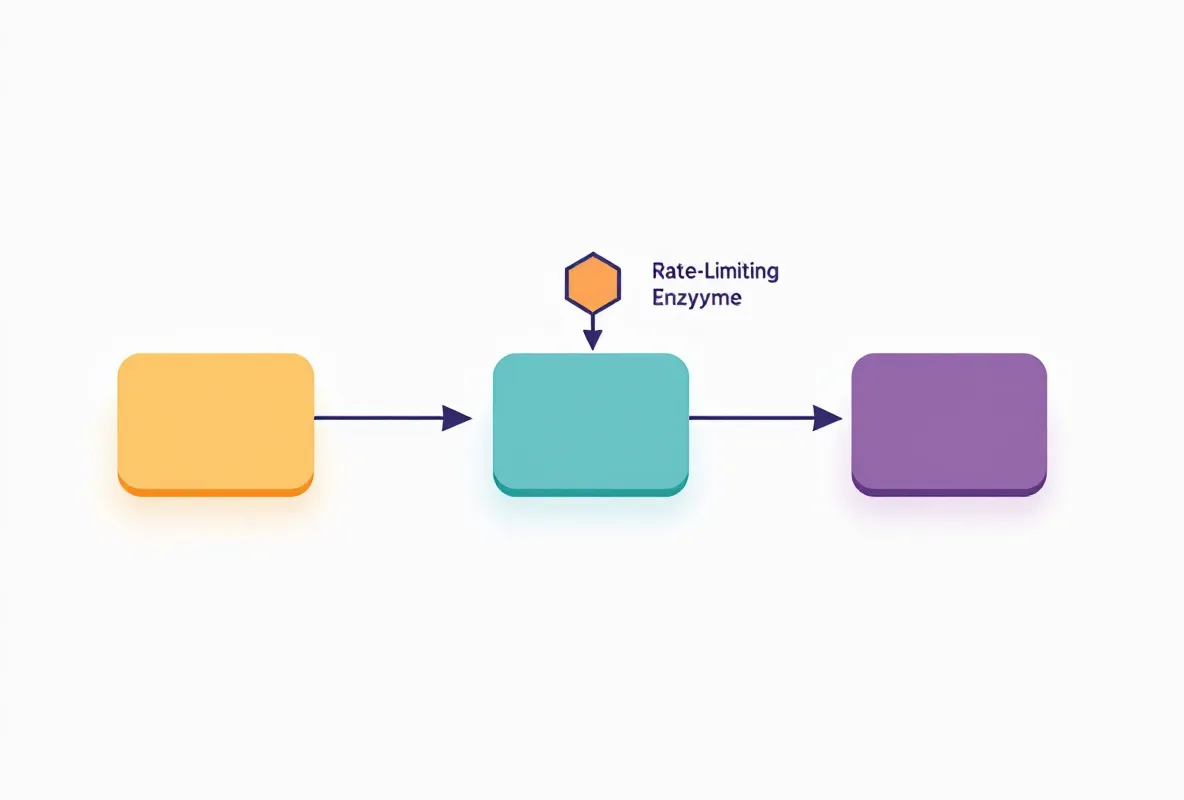
Your body can make NAD+ in three main ways. One route reuses nicotinamide, a form of niacin [5]. Another starts with NR and turns it into NMN. Then your body turns NMN into NAD+. A third begins with tryptophan, a small part of protein in food [5].
Those routes explain why researchers tested NMN and NR pills. Your body may turn either pill into NAD+. Blood tests found that rise [4]. The studies didn’t find the same result inside every organ.
What did NMN studies find about NAD+?
One small trial involved women past menopause. They had early trouble handling blood sugar. The women took 250 mg/day for 10 weeks. Their muscles responded better to insulin [1]. Their weight, fat, and lean tissue didn’t change.
Another study followed healthy adults in middle age. They took 300, 600, or 900 mg/day for 60 days. Blood checks came on days 30 and 60. NAD+ rose with each amount. Walking distance improved too. The 600 mg/day group had the best mix of blood, walking, and daily-life results [3]. No clear safety problem appeared.
The FDA and sellers still disagree about NMN. The FDA says earlier drug work means NMN can’t be sold as a supplement [10]. That ruling isn’t a ban on NMN. Neither trial found that it treats a disease.
What did NR studies find about NAD+?
One trial lasted only 8 weeks. It followed healthy adults who were overweight. They took 100, 300, or 1000 mg/day. Blood NAD+ rose by 22%, 51%, and 142%. The rise lasted through the study. Flushing wasn’t more common than with the placebo pill [4]. The blood test called bad cholesterol didn’t rise [4].
A second 14-day trial followed. NR raised blood NAD+ by about 49 micromoles. NMN raised it by about 43 micromoles. A micromole is a tiny lab unit. Those figures show the blood rise, not a health gain. Both pills reached about twice the blood NAD+ seen in the placebo group. Nicotinamide, a form of niacin, didn’t bring that gain [13]. Digestion may break down each pill before the body uses it. The trial couldn’t tell whether that helped or hurt the result.
What did cells and mice show?
The first work was done in cells, not people [5]. One protein spent NAD+ while repairing damaged DNA. In cells in a dish, added NAD+ kept that repair going [8]. Another review found that heavy repair work could drain a cell’s power [7]. These findings don’t prove that a pill makes people healthier.
A second protein breaks down NAD+. That protein became more active as mice aged. Removing it left more NAD+ in their bodies [2]. Old mice given NMN also had fewer worn-out cells [14]. Mice aren’t people.
Other dish work studied immune cells after DNA harm [6]. A review linked NAD+ with immune work too [9]. That helps explain what cells may do. It doesn’t prove a pill will help your immune system.
Did NAD make anyone look younger?
No human study here checked younger-looking skin. Much of the age work came from mice. A 2025 review found that human health results were still early [10]. NAD+ does help with basic cell work. That finding doesn’t make it a skin treatment. You can’t expect a younger face from these studies.
Did NAD cause weight loss?
No trial cited here found weight loss from NAD+. One NMN study used 250 mg/day for 10 weeks. Muscles responded better to insulin [1]. Body fat and lean tissue didn’t change. That study can’t support a weight-loss claim for you.
Did NAD cause weight gain?
The cited trials didn’t report weight gain. One 10-week NMN study found no change in body fat or lean tissue [1]. The muscles did respond better to insulin. Other studies checked walking and blood NAD+. They weren’t set up to prove a weight change.
Did any NAD study look at having children?
These studies didn’t test whether NAD helps people have children. They checked blood NAD+, walking, and insulin response [1][3][4]. No study followed births or the chance of pregnancy. The cited work can’t support that claim. Your doctor may know of other research.
What happened when people swallowed NAD pills?
Whole NAD+ doesn’t enter most cells well after swallowing [10]. That’s why most human trials used NMN or NR. The paper prints 22/51/142% beside 100/300/1000 mg/day [4]. Read in order, the smallest amount raised blood NAD+ by twenty-two percent. The middle amount raised it by fifty-one percent. The largest raised it by one hundred forty-two percent. NMN also raised the blood reading at 300-900 mg/day [3]. These findings don’t prove better health.